How to Store Apples So They Last for Months (Without Freezing or Canning)
If you have ever brought home a big basket of apples only to find them getting soft, wrinkled, or spoiled before you can use them all, you know how discouraging that can be.
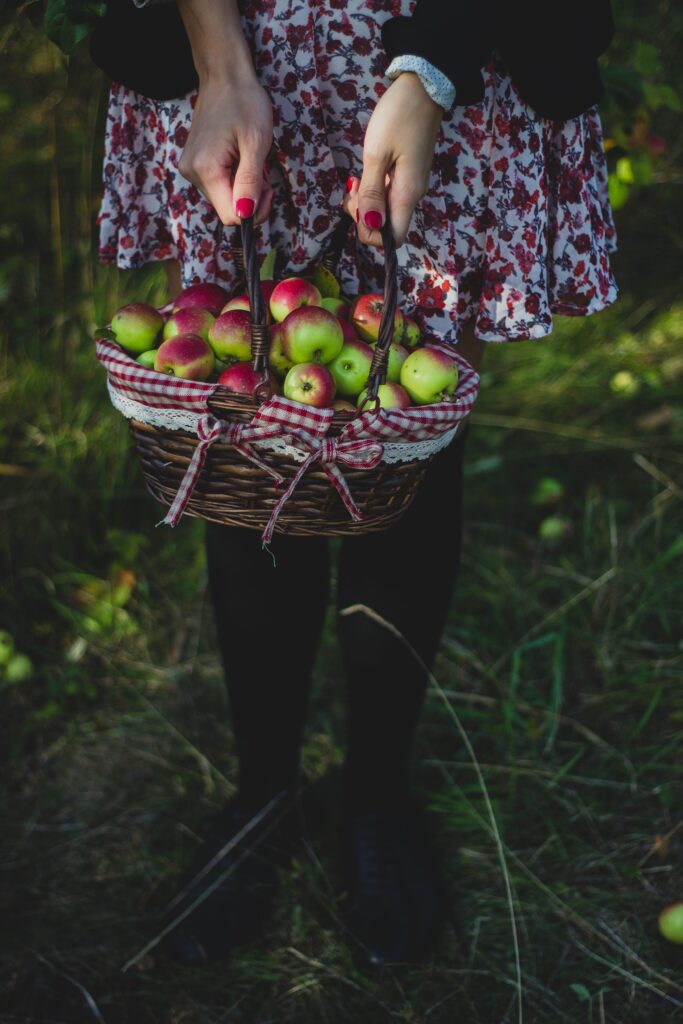
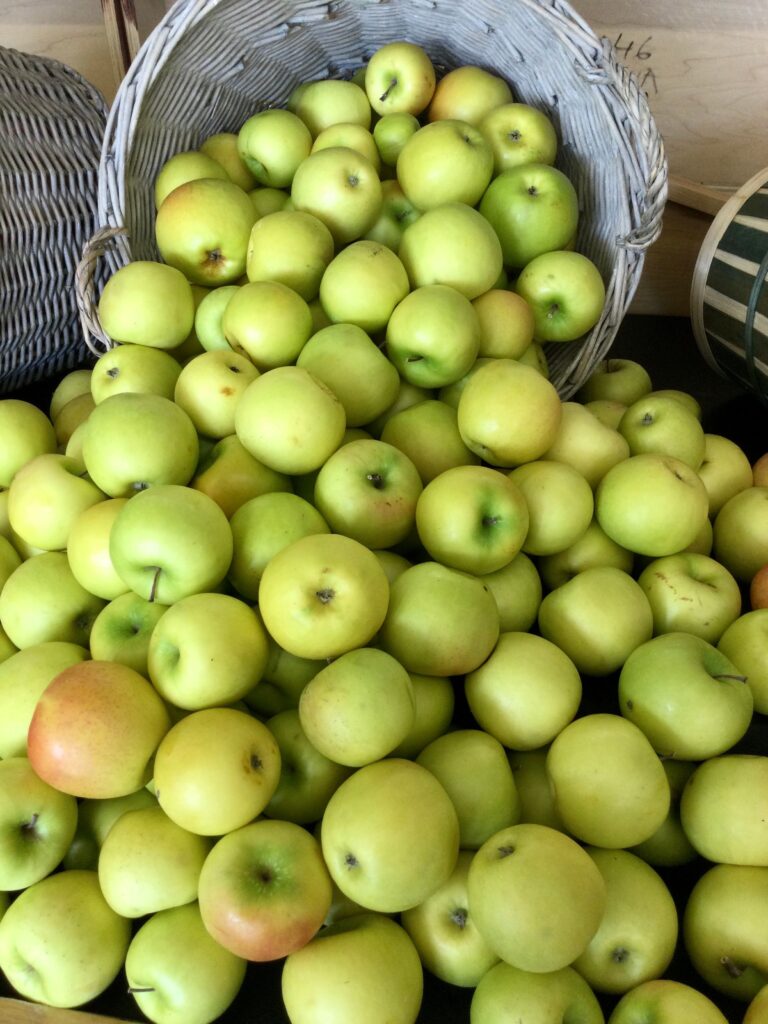
Apples are one of the best fruits to stock up on because, when stored properly, they can last for months. Whether you grow your own apples, visit an orchard in the fall, or just find a great deal at the grocery store, knowing how to store apples correctly can help you save money and reduce food waste.
I don’t know about you, but it feels like I am ALWAYS battling against food waste in my house.
The good news is you do not need fancy equipment or a complicated setup. With the right conditions, you can keep apples fresh long after apple-picking season ends.
Choose the Right Apples for Long-Term Storage
Not all apples store equally well. Some varieties are naturally better at lasting through the winter because they have firmer flesh and thicker skins.
Some of the best storage apples include:
- Honeycrisp
- Fuji
- Granny Smith
- Gala
- Northern Spy
- McIntosh
- Cortland
Softer apples tend to break down faster, so they are best eaten sooner or used for baking, applesauce, or other recipes.
Side note: Does anyone else have apple snobs in their house? My kids won’t eat certain kinds of apples. Gala seems to be despised in my house, while Granny Smith (yes, the more expensive ones) seem to be adored.
Start With Perfect Apples
Before storing your apples, take some time to sort through them.
Only store apples that are:
- Firm
- Free from bruises
- Free from cuts or soft spots
- Free from signs of rot
It’s true what they say. One bad apple can cause others nearby to spoil faster, so check your apples regularly and remove any that are starting to go bad.
Save bruised or damaged apples for immediate use. They are perfect for homemade applesauce, apple crisp, muffins, pies, or dehydrating.
Do Not Wash Apples Before Storing
It can be tempting to wash all your apples right away, but it is better to wait. Washing apples removes their natural protective coating, which helps keep moisture inside and protects them during storage.
Instead, wipe off any dirt and wash them right before eating or using them.
Wrap Apples Individually
One of the best ways to extend the life of your apples is to prevent them from touching each other.
Apples naturally release ethylene gas, which speeds up ripening. When apples are stored together, one spoiled apple can quickly affect the rest. Try wrapping each apple individually in newspaper or placing them in separate sections of a box.
This takes a little extra time, but it can make a big difference in how long they last.
Store Apples Somewhere Cool and Dark
The ideal storage conditions for apples are:
- Cool temperatures
- High humidity
- Darkness
- Good airflow
A root cellar is perfect, but many people can successfully store apples in:
- A cool basement
- An unheated garage
- A cold room
- A refrigerator drawer
The ideal temperature is around 0 to 4 degrees Celsius. Avoid storing apples near heat sources or in areas with large temperature changes. You also don’t want them to freeze.
Use Boxes or Crates for Storage
A cardboard box, wooden crate, or plastic bin with ventilation holes can work well for storing apples. Avoid packing apples too tightly. They need airflow to prevent moisture buildup and mold. Place a layer of apples in the container, add a layer of newspaper or cardboard, and continue stacking.
Make sure you can easily check your apples throughout the winter.
Check Your Apples Regularly
Even when stored properly, apples should be checked every week or two.
Remove any apples that are:
- Soft
- Leaking
- Moldy
- Starting to smell fermented
Taking a few minutes to inspect your apples can help protect the rest of your supply.
Store Apples Separately From Other Produce
Because apples release ethylene gas, they can cause other fruits and vegetables to ripen faster.
Try storing apples away from:
- Potatoes
- Onions
- Carrots
- Leafy greens
Keeping them separated will help your other produce last longer too.
Can You Store Apples in the Refrigerator?
Yes, the refrigerator is one of the easiest ways to extend the life of apples. Place apples in the crisper drawer, preferably in a perforated bag or container that allows airflow. Many apples can last several weeks or even a few months in the refrigerator, depending on the variety.
What To Do With Apples That Are Starting To Go Bad
Even with careful storage, some apples will eventually become too soft to eat fresh. Instead of throwing them away, use them in recipes like:
- Homemade applesauce
- Apple butter
- Apple pie filling
- Apple muffins
- Baked oatmeal
- Smoothies
- Dehydrated apple slices
Soft apples are often sweeter and work wonderfully in cooked recipes.
Enjoy Fresh Apples All Winter Long
Learning how to store apples properly is a great way to make the most of apple season. A little preparation can help you enjoy fresh, crisp apples for months instead of watching them go to waste after only a few weeks.
Whether you are storing apples from your own trees or stocking up during a fall sale, the right storage method can help you save money and enjoy one of nature’s best snacks long after harvest season ends.