How to Stock a Pantry on a Tight Budget Before Prices Go Up
Okay, pull up a chair. I want to talk about something that’s been on my mind, and honestly a little on my nerves, for a while now. Prices of food. Every time I walk into the grocery store it feels like something else has crept up a dollar or two, and it’s exhausting trying to keep up with it. I swear I paid $4.99 for butter last week, how is it $7.99 this week?
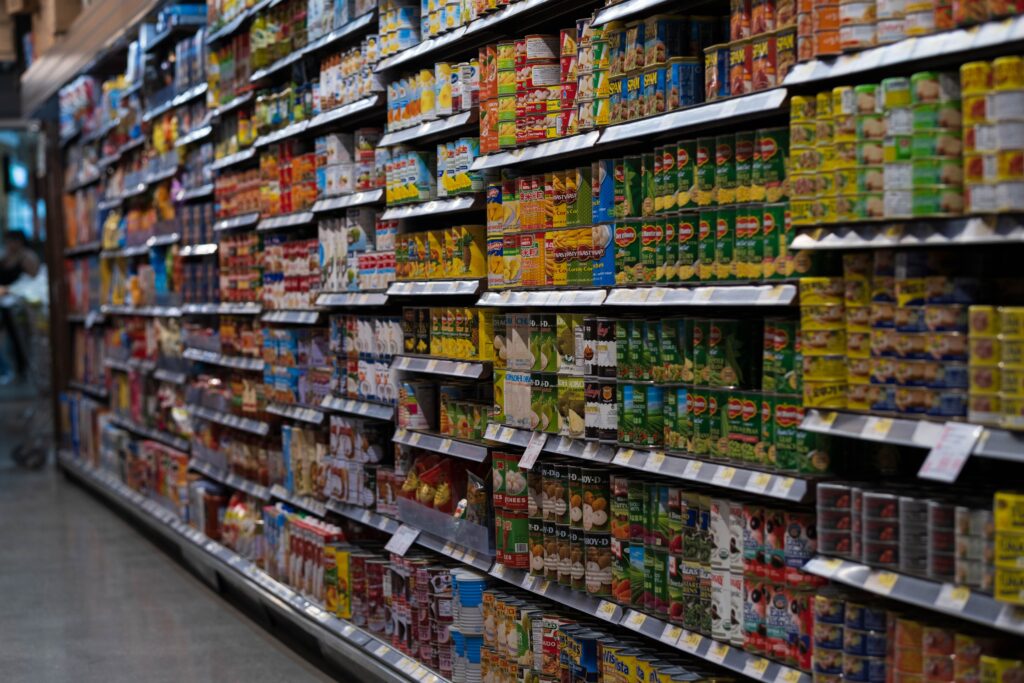
So here’s what I’ve started doing instead of just complaining about it (though I still do plenty of that too). I’ve been slowly building up my pantry now, while I can still find decent prices on things, so that when the next round of price hikes hits, I’m not scrambling.
I’m not suggesting hoarding or panic buying. (Okay, maybe a little hoarding.) It’s just being a little smarter with the money we already have, and using it to buy ahead on the stuff we know we’ll need anyway. Let me walk you through how I do it.
Start With What You Actually Eat
This sounds obvious but it trips people up every time. Don’t stock up on lentils because some blog told you lentils are cheap and shelf stable if your family has never once eaten a lentil in their life. Grab a notebook, or just your phone, and jot down the ten to fifteen meals your family eats on repeat. Spaghetti night. Taco night. That soup you make every fall. Chicken and rice.
Once you know your rotation, you know exactly what ingredients to start buying extra of. That’s your real pantry list, not some Pinterest-perfect version of one. (I’m sorry, I just can’t like lentils, no matter how cheap they are.)
Buy a Little Extra Every Single Trip
You don’t need three hundred dollars sitting around to build a stocked pantry. What you need is a habit. Every time you go to the store, grab one or two extra items from your list, on top of what you’d normally buy. A couple extra cans of tomatoes. An extra bag of rice. One more jar of peanut butter.
Spread out over a couple months, you’ll look up one day and realize your pantry shelves are actually full, and you barely felt it in your wallet because you never dropped a huge chunk of money at once.
Watch for the Sales and Stock Up Hard When You See Them
This is where the real savings happen. When something on your list goes on sale, especially something shelf stable, that’s your cue to buy more than you need for the week. If canned beans are usually a dollar forty and they drop to eighty cents, that’s the week you buy ten cans instead of two.
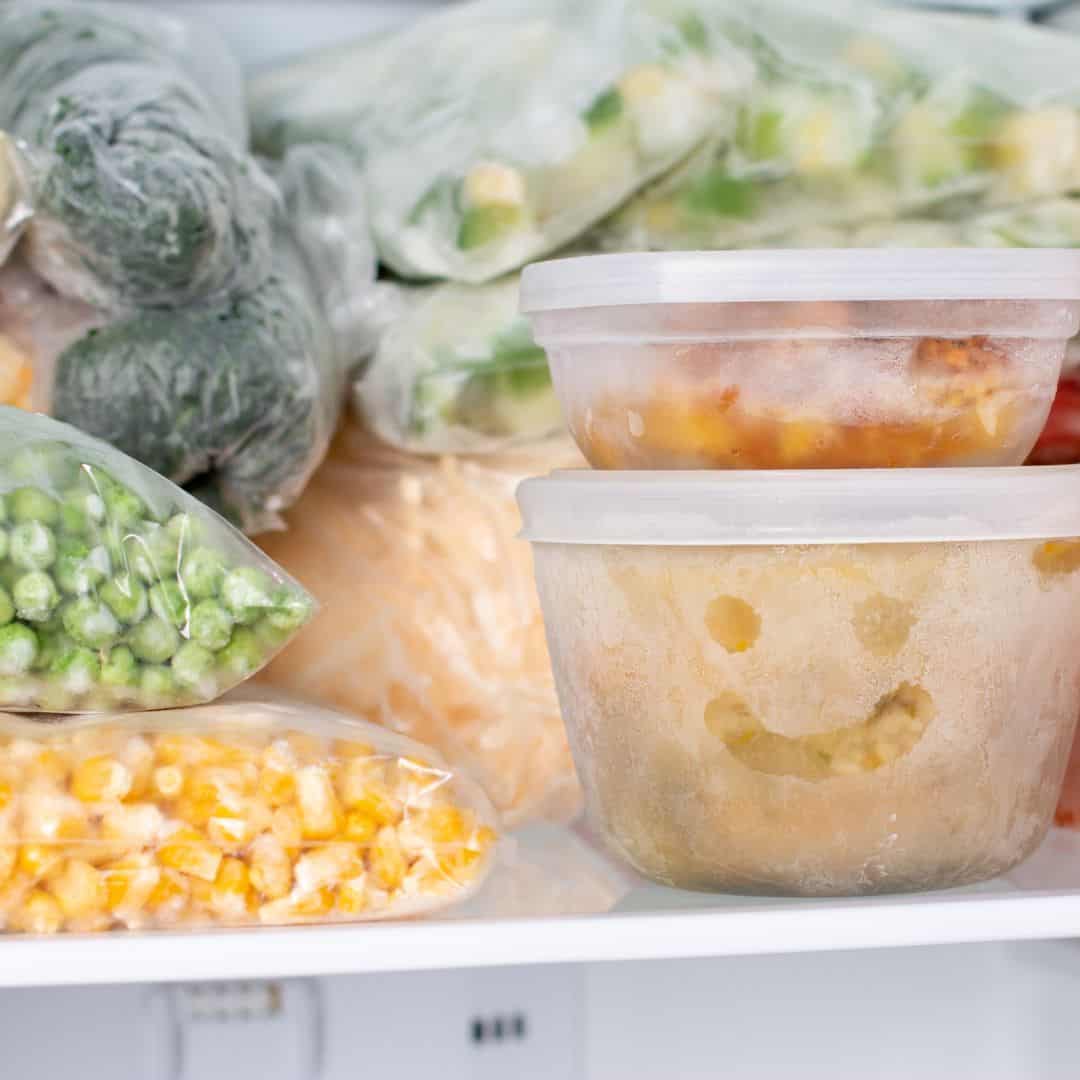
Meat counts here too, even though it’s not pantry in the traditional sense. When chicken thighs or ground beef go on sale, buy extra and freeze it in meal sized portions. Your freezer is basically an extension of your pantry and people forget that.
Focus on the Stuff With Real Shelf Life
Not everything is worth stocking up on. You want to put your money toward things that will actually last and that you’ll actually use before they go bad or lose flavor. Some of my go-to’s:
- Rice, pasta, and other grains
- Canned vegetables, beans, and tomatoes
- Peanut butter and other nut butters
- Cooking oils
- Flour and sugar
- Canned or shelf stable broth
- Coffee, if that’s your household’s love language like it is mine
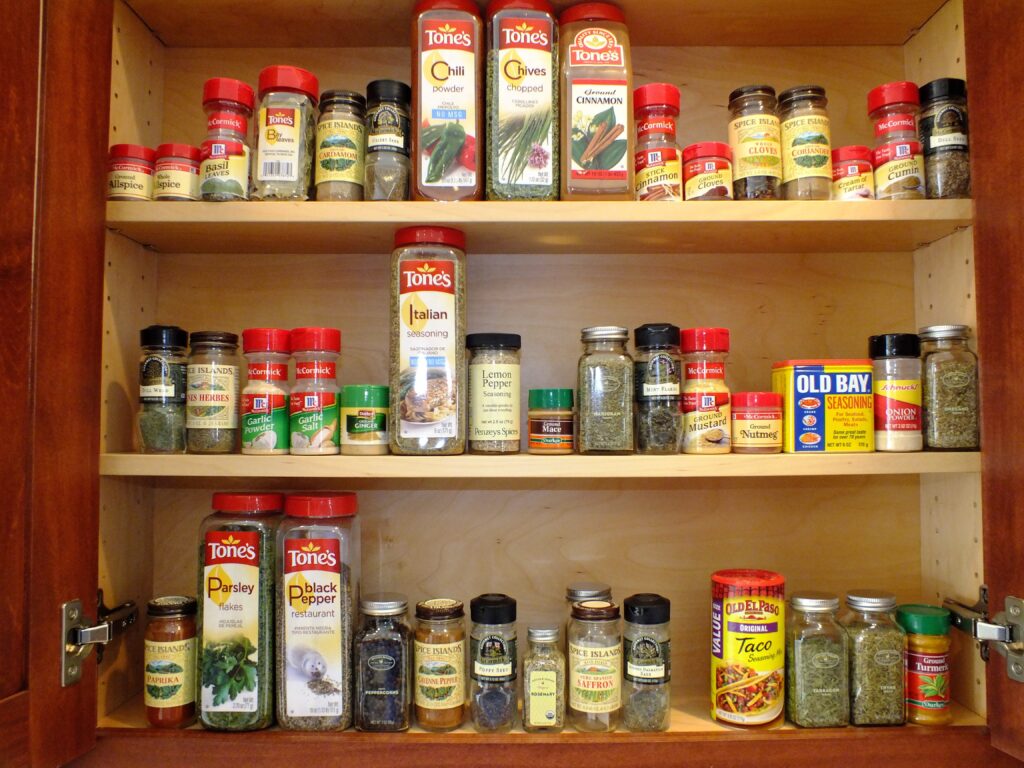
- Spices, since these barely take up space and last forever
- Oats
These are things that don’t really go bad on a normal timeline, and prices on grains and canned goods tend to be some of the first to climb when costs go up across the board.
Don’t Sleep on the Dollar Store or Discount Grocers
I know some people turn their nose up at this, but a lot of pantry staples are exactly the same quality at a discount store as they are at a regular grocery store. Canned goods, rice, pasta, baking supplies, these are often just as good for a fraction of the price. I do a regular sweep of ours and it makes a real dent in my grocery bill.
Use What You Buy, Then Replace It
A stocked pantry only works if you’re actually using it and rotating through it. Cook from your pantry first before you run to the store for something new. When you use up a can of something, that’s your reminder to grab a replacement next time you’re out, ideally when it’s on sale again.
This keeps everything fresh and keeps you from ending up with ten bags of flour from three years ago that nobody’s touched.
Set a Small Weekly Budget for Stocking Up
If money is tight, and for most of us right now it is, set aside a small amount each week just for pantry building. Even ten or fifteen dollars a week adds up fast, and it takes the pressure off feeling like you need to do this all at once. Slow and steady really does win here.
A Few Extra Money Saving Tips While You’re At It
- Check store apps and loyalty programs for digital coupons before every trip
- Buy store brand over name brand for pantry staples, the quality is almost always comparable
- Shop the sales flyer first, then build your meal plan around what’s discounted that week
- Buy in bulk when you have the storage space and the item has a long shelf life
- Don’t shop hungry, you’ll buy things that aren’t on your list
Building up a pantry isn’t going to fix the economy or make grocery prices stop climbing, I wish it did. But it gives you a cushion. It means on the weeks money is extra tight, you’ve already got a good chunk of what you need sitting on your shelves, and that takes a real weight off. Start small, stay consistent, and you’ll be surprised how quickly it adds up.