The Cheapest Groceries to Buy When You Have Almost No Money
When money is tight, grocery shopping can feel impossible. Even the foods that used to be inexpensive seem more expensive every time you walk into the store.
But when you have very little money to spend, you can still put together filling meals. The key is choosing foods that are inexpensive, versatile, and capable of stretching into several meals.
You do not need a cart full of specialty ingredients. In fact, some of the cheapest groceries are the foods that have been feeding families for generations.
Here are some of the foods I would look for when the grocery budget is extremely tight.
Rice
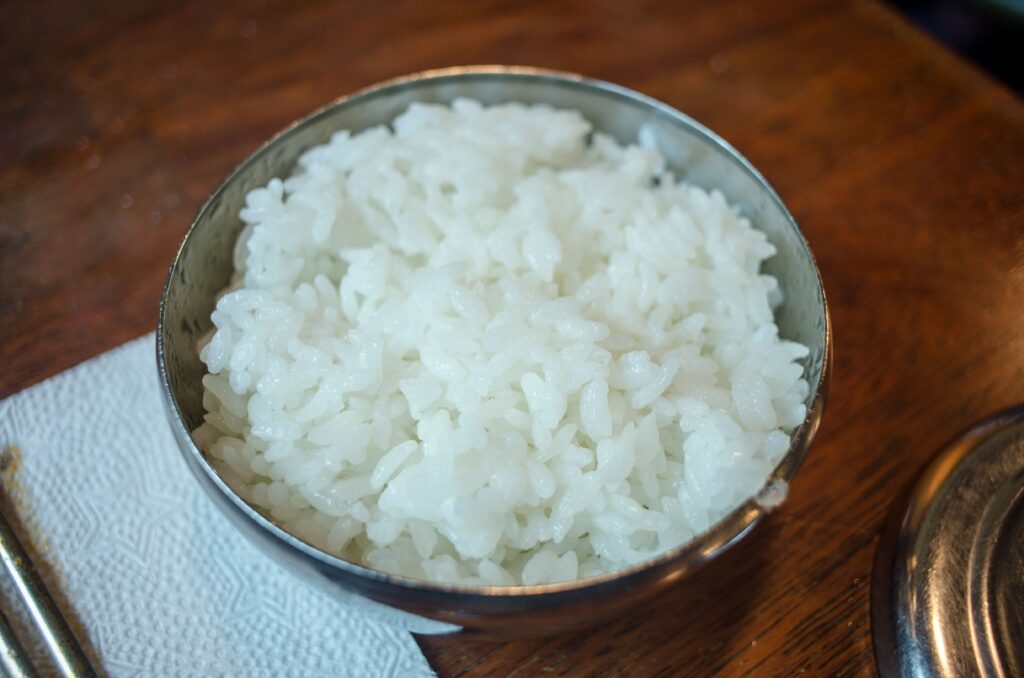
Rice is one of those foods that can make a small grocery budget go much further. A bag can provide the base for many meals, and you can pair it with whatever inexpensive ingredients you have available.
Serve it with beans, eggs, frozen vegetables, canned tomatoes, chicken, or leftover meat. You can also turn it into fried rice, rice bowls, soup, or rice pudding.
Potatoes
Potatoes are inexpensive, filling, and incredibly versatile. Bake them, mash them, roast them, fry them, or turn them into soup.
A few potatoes can also become an entire meal when topped with beans, cheese, leftover vegetables, chili, or an egg.
Oats
Oatmeal is one of the cheapest breakfasts you can make, especially when you buy plain oats instead of individual flavored packets.
You can sweeten them with a little brown sugar, cinnamon, banana, applesauce, or whatever fruit you already have. Oats can also be used to make muffins, cookies, pancakes, and homemade granola.
Eggs
Eggs are one of the most useful inexpensive sources of protein. They can turn a very basic meal into something much more filling.
Scramble them with potatoes, make an omelet with leftover vegetables, serve them over rice, or make egg sandwiches. Eggs can also become breakfast-for-dinner when you need a cheap meal that everyone will actually eat.
Dry Beans
If you have time to cook them, dry beans can be an excellent budget food.
Use them for chili, soup, burritos, tacos, beans and rice, or as a filling addition to casseroles. A pot of beans can also be portioned out and frozen so you have an inexpensive protein ready for another meal.
Lentils
Lentils are inexpensive, cook relatively quickly, and can make a meal much more filling.
Use them in soup, curry, shepherd’s pie, sloppy joes, chili, or serve them over rice. You can even replace some of the ground meat in recipes with lentils to make a small amount of meat stretch further.
Pasta
A box of pasta can become much more than spaghetti.
Toss it with tomato sauce, butter and Parmesan, vegetables, canned tuna, eggs, or leftover meat. Pasta salad is another good way to use up small amounts of vegetables and other ingredients sitting in the refrigerator.
Peanut Butter
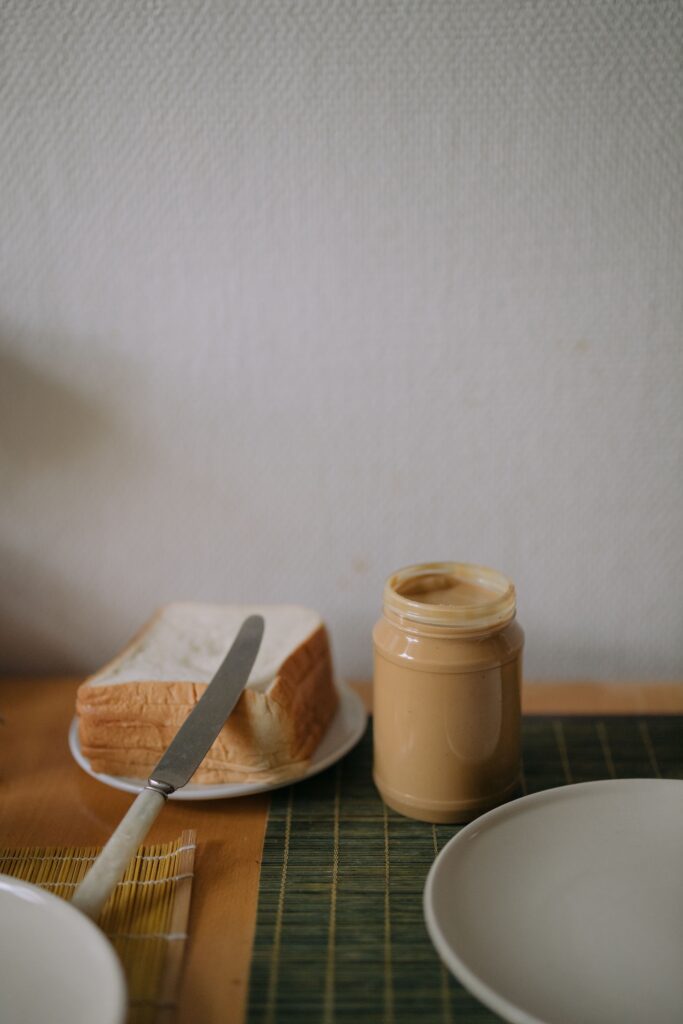
Peanut butter can be a lifesaver when your grocery budget is small because it is filling and can be used in several ways.
Spread it on toast, make peanut butter sandwiches, stir it into oatmeal, or use it in homemade peanut sauce. It is also useful when you need something quick to eat without cooking an entire meal.
Bread
Bread can stretch a grocery budget surprisingly far.
Use it for sandwiches, toast, French toast, grilled cheese, garlic bread, breadcrumbs, croutons, or breakfast sandwiches. If you find an inexpensive loaf that is close to its best-before date, you can freeze it for later.
Flour
A bag of flour can become many of the foods you might otherwise buy prepared.
You can make pancakes, biscuits, muffins, flatbreads, dumplings, pizza dough, and homemade bread. If you already have baking basics like baking powder, salt, sugar, and oil, flour becomes even more useful.
Bananas
Bananas are often one of the more affordable fruits, and overripe bananas are especially useful.
Eat them for breakfast, add them to oatmeal, blend them into smoothies, or use them to make banana bread and muffins. When they become too ripe to eat, peel them and freeze them for baking or smoothies.
Apples
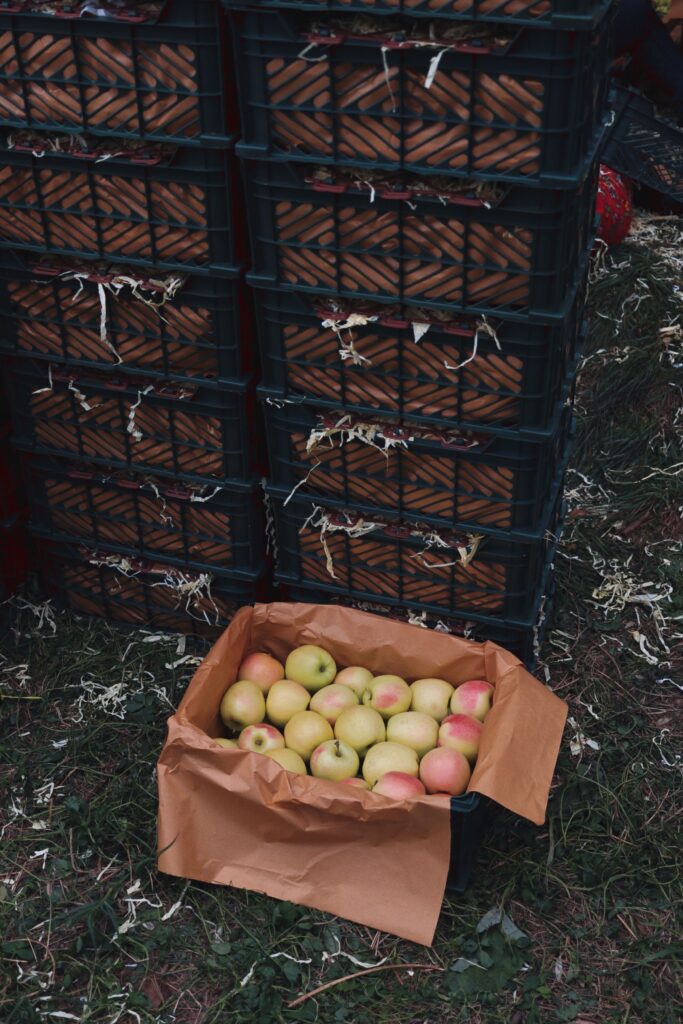
Apples are another fruit that can provide a lot of value for the money.
Eat them fresh, slice them into oatmeal, bake them with cinnamon, make applesauce, or use them in muffins and desserts. Buying a larger bag is often more economical than buying individual pieces of fruit.
Carrots
Carrots are inexpensive, keep for a long time, and can be used in both meals and snacks.
Add them to soups, stews, casseroles, fried rice, pasta dishes, or roast them as a side dish. You can also eat them raw with a little dip or peanut butter.
Onions
If I were trying to stretch a very small grocery budget, onions would make my list.
They add flavor to soups, rice, potatoes, pasta, beans, eggs, casseroles, and almost any savory meal. A few inexpensive onions can make basic foods taste much more satisfying.
Cabbage
Cabbage is one of those old-fashioned budget foods that deserves another look.
It keeps well in the refrigerator and can be used for soup, coleslaw, stir-fries, fried cabbage, cabbage rolls, or added to noodles and rice. You can also cook it with potatoes for a very inexpensive side dish.
Frozen Vegetables
Frozen vegetables can be a better budget choice than fresh vegetables that might spoil before you use them.
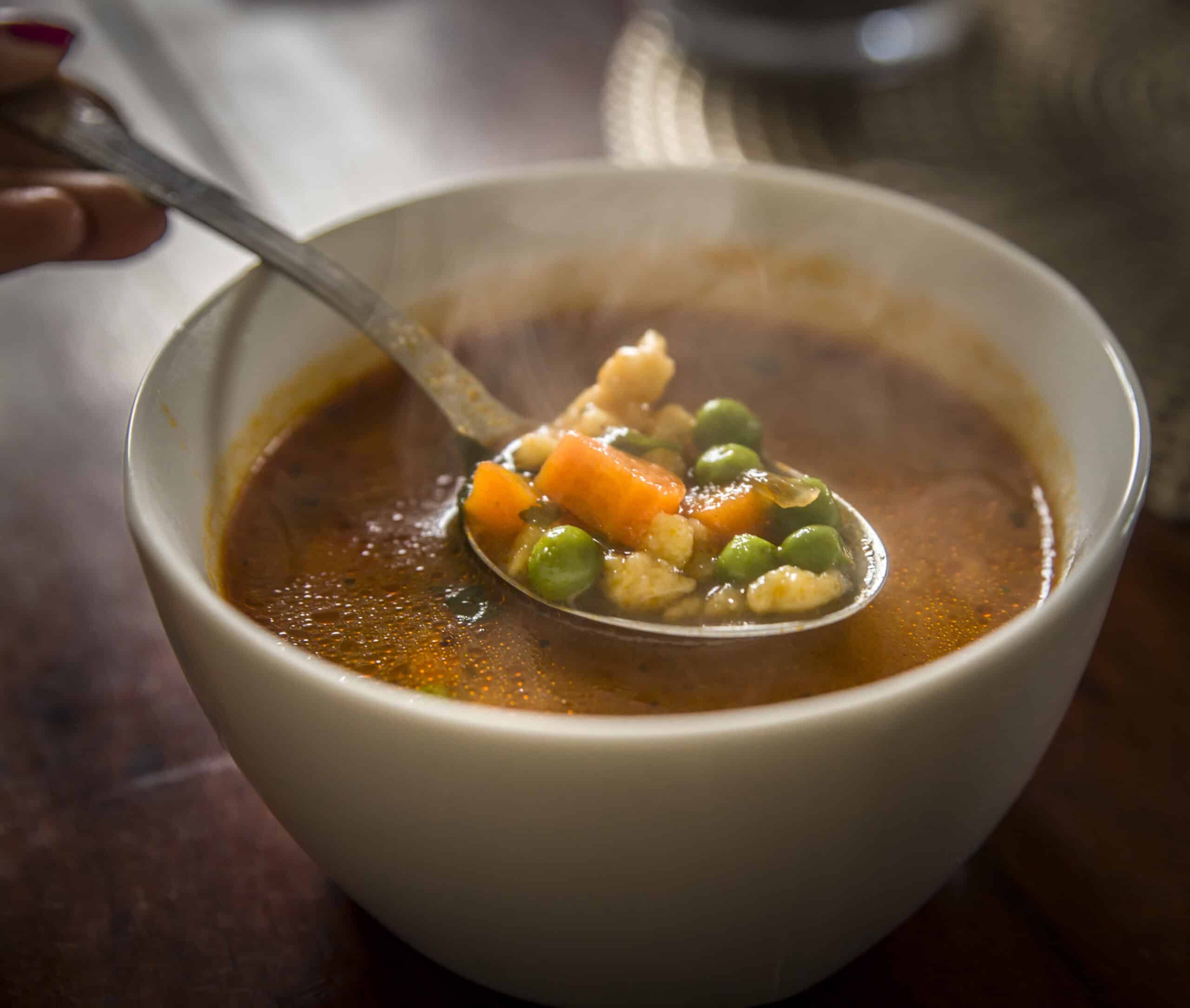
Look for large bags of inexpensive vegetables such as peas, corn, mixed vegetables, or green beans. Add them to rice, pasta, soup, casseroles, scrambled eggs, or whatever leftovers you have.
Canned Tomatoes
A can of tomatoes can turn inexpensive ingredients into a real meal.
Use them for pasta sauce, chili, soup, rice dishes, casseroles, or homemade tomato soup. They are particularly useful when you need flavor but cannot afford a lot of fresh produce.
Canned Tuna
Tuna can be useful when you need an inexpensive protein that does not require cooking.
Make tuna sandwiches, tuna pasta, tuna melts, or tuna salad. You can also mix it with pasta and a few vegetables for a filling meal.
Milk
Milk can serve several purposes in a small grocery budget.
Use it for oatmeal, pancakes, scrambled eggs, soups, sauces, mashed potatoes, baking, and simple desserts. If your family drinks a lot of milk, compare the price of different sizes to find the best value.
Cheese
Cheese can get expensive quickly, so I would not necessarily make it the star of every meal when money is tight. But a small amount can add a lot of flavor. It often goes on sale as well, so make sure to stock up at that time.
Use it for grilled cheese, baked potatoes, quesadillas, pasta, eggs, casseroles, and homemade pizza. A little shredded cheese can go a long way when combined with inexpensive ingredients.
Chicken
If chicken is on sale, it can be worth buying because one package can become several meals.
Instead of serving a large piece of chicken to everyone at every meal, stretch it into soup, chicken and rice, pasta, sandwiches, casseroles, or tacos. The goal is not to make the meat disappear. It is to use it as one ingredient in a meal rather than the entire meal.
Ground Beef
Ground beef can also stretch further than you might think.
Instead of making burgers or meatloaf with a large amount of beef, use smaller portions in chili, tacos, spaghetti sauce, shepherd’s pie, casseroles, or homemade hamburger soup. Adding beans, lentils, rice, or vegetables can make a small package feed more people.
Flour Tortillas
Tortillas can become a very inexpensive blank canvas for meals.
Fill them with scrambled eggs, beans and rice, leftover chicken, cheese, potatoes, or whatever vegetables need to be used. You can also turn them into quesadillas, homemade chips, wraps, or quick pizzas.
Popcorn
If you need inexpensive snacks, buy popcorn kernels rather than individual microwave popcorn bags.
A bag of kernels can make a lot of popcorn. Season it with salt, cinnamon and sugar, Parmesan, or whatever seasonings you already have at home.
What About Meat?
When money is extremely tight, meat does not have to disappear from your grocery cart, but it may need to play a different role.
Rather than building every meal around a large portion of meat, think of meat as something you add to a meal.
A small amount of chicken can go into a pot of soup. A pound of ground beef can become chili or several servings of spaghetti sauce. A few slices of bacon can flavor an entire pot of beans or cabbage.
This can make a bigger difference than eliminating meat completely if your family is accustomed to eating it.
Don’t Forget the Clearance Section
When your grocery budget is very small, one of the best things you can learn is how to shop based on what is inexpensive that week rather than deciding every meal before you leave home.
Look for marked-down meat, bread, produce, and dairy products that you can use immediately or freeze.
A package of chicken marked down by several dollars can become soup. Discounted bananas can become banana bread. Day-old bread can go into the freezer. Produce that needs to be used quickly can become soup, a casserole, or a stir-fry.
The cheapest grocery cart is not necessarily the one with the cheapest individual items. It is the one that gives you the most meals for the money you spend.
Shop Your Pantry First
Before you go grocery shopping, look through your cupboards, freezer, and refrigerator.
You may already have half of what you need for several meals.
A bag of rice, a can of beans, some frozen vegetables, a few eggs, and a little cheese can become dinner. Pasta, canned tomatoes, and a small amount of ground beef can become another meal. Potatoes, eggs, and onions can make a surprisingly satisfying dinner.
When money is tight, the goal is not to create a perfect meal plan. It is to make the food you already have work harder.
When You Have Almost No Money
If your grocery budget is down to the bare minimum, start with the foods that can stretch the furthest: rice, potatoes, oats, pasta, beans, lentils, eggs, flour, bread, and inexpensive fruits and vegetables.
Then look at what is on sale and what you already have at home.
You may not be able to buy everything you normally would. You may have to repeat meals. You may have to get creative with leftovers. But a very small grocery budget does not mean you have to live on packaged convenience foods or go hungry.
Some of the most useful foods in a tight grocery budget are also some of the most ordinary foods in the store.
Rice. Potatoes. Eggs. Beans. Oats. Flour.
They may not look like much sitting in your grocery cart, but with a little creativity, they can become a whole lot of meals.