25 Foods You Can Freeze Instead of Can
Every summer, I get excited about preserving food.
There is something rewarding about taking the abundance of the season and saving it for later. Whether it comes from your own garden, a local farm stand, or a great grocery store sale, preserving food helps stretch your budget and reduces waste.
For a long time, I thought preserving meant canning.
I pictured shelves lined with beautiful jars of tomatoes, pickles, jams, and vegetables. I owned a water bath canner and even had a pressure canner at one point. And I definitely used them at times. But not often enough.
But eventually, I realized something important. The best preserving method is the one you will actually use. For me, that often meant freezing.
Freezing food is faster, requires less equipment, and does not involve standing over a hot stove during the hottest days of summer. It is a great option for busy families or anyone who wants to save garden produce without spending an entire weekend canning.
Here are 25 foods you can freeze instead of can.
1. Zucchini
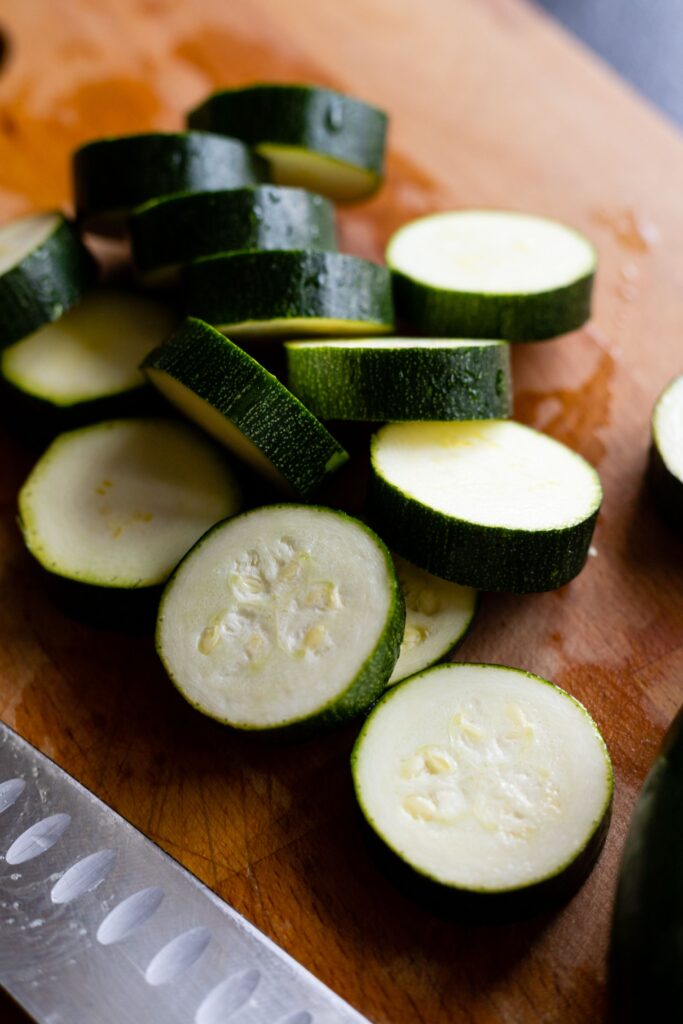
Zucchini is one of the easiest vegetables to freeze.
Shred it, squeeze out some of the excess moisture, and freeze it in measured portions. It is perfect for zucchini bread, muffins, pancakes, soups, and casseroles throughout the year.
2. Tomatoes
While many people can tomatoes, freezing is another great option.
Frozen tomatoes work wonderfully in soups, sauces, chili, and stews. You can freeze them whole and remove the skins after thawing.
3. Tomato Sauce
If you have more tomatoes than you know what to do with, make a large batch of sauce and freeze it in meal-sized portions. It makes winter pasta dinners much easier.
4. Peppers
Bell peppers and hot peppers freeze beautifully. Wash, chop, and freeze them so they are ready for soups, stir-fries, fajitas, and casseroles.
5. Onions
If your garden produces a large onion harvest or you find onions on sale, freezing can help prevent waste. Chopped frozen onions are convenient for cooking and save time during busy evenings.
6. Garlic
Garlic can be frozen whole, chopped, or minced. Having garlic ready in the freezer makes it easy to add flavor to homemade meals.
7. Fresh Herbs
Herbs are easy to grow but can be difficult to use before they spoil. Freeze basil, parsley, cilantro, and other herbs in small portions. You can also freeze them with olive oil in ice cube trays for easy use in cooking.
8. Green Beans
Instead of spending hours canning green beans, blanch them briefly and freeze them. They make an easy side dish during the winter months.
9. Corn
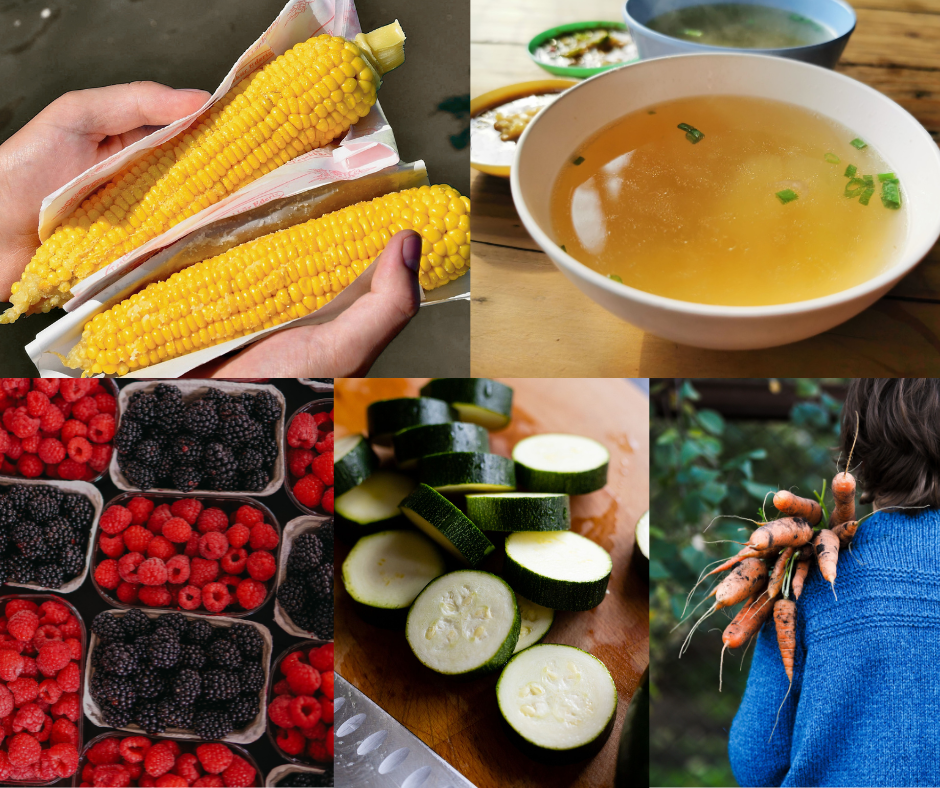
Fresh corn is one of those foods that reminds you why preserving summer produce is worthwhile. Cut it off the cob and freeze it for soups, casseroles, and side dishes.
10. Carrots
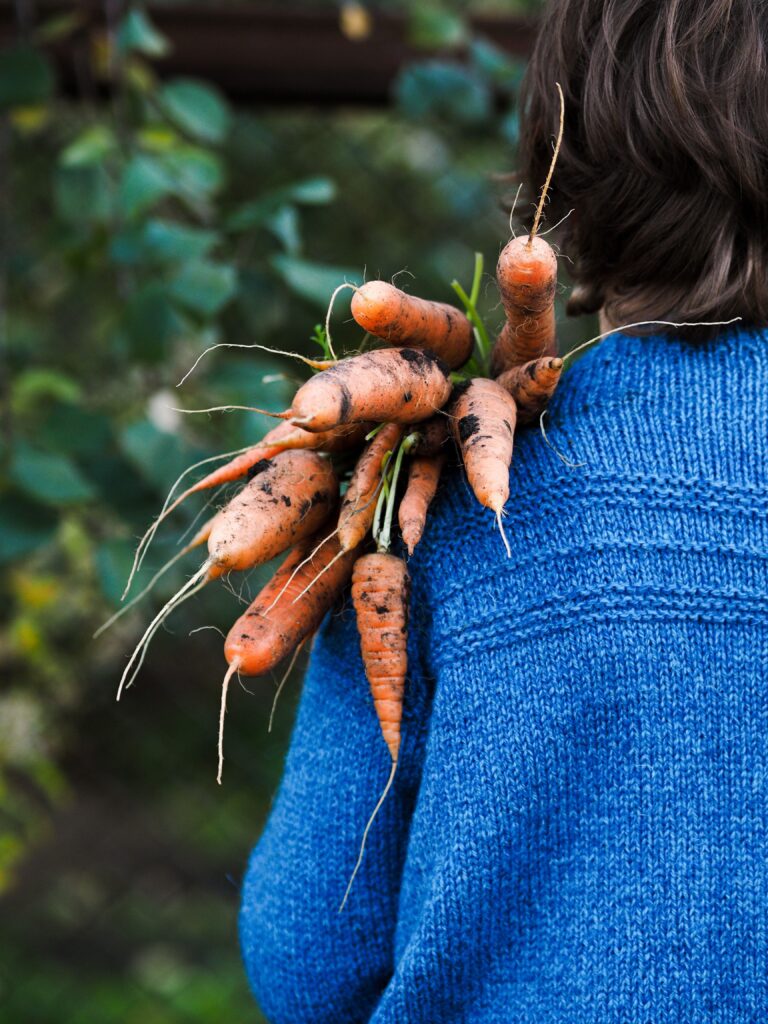
Carrots can be frozen after blanching. They are great for soups, stews, and roasted vegetable dishes.
11. Broccoli
If you grow broccoli or find a great sale, freezing is a great way to save it. Blanch first, then freeze for casseroles, soups, and meals throughout the year.
12. Cauliflower
Cauliflower freezes well and can be used in soups, casseroles, and vegetable dishes.
13. Pumpkin
Pumpkin puree freezes amazingly well. I still have some from last year! Cook the pumpkin, scoop out the flesh, and freeze it in portions for pies, muffins, pancakes, and soups.
14. Winter Squash
Butternut squash, acorn squash, and other winter squash varieties can be cooked and frozen for later use.
15. Apples
Apples can be frozen sliced, cooked, or made into applesauce. Frozen apples are perfect for pies, crisps, oatmeal, and baking.
16. Applesauce
Homemade applesauce freezes well and is a great way to preserve a large apple harvest without spending a whole day canning.
17. Strawberries
Fresh strawberries can be frozen for smoothies, baking, desserts, and homemade sauces.
18. Blueberries
Blueberries are one of the easiest fruits to freeze. Spread them out on a tray first so they freeze individually, then store them in freezer bags.
19. Raspberries and Blackberries
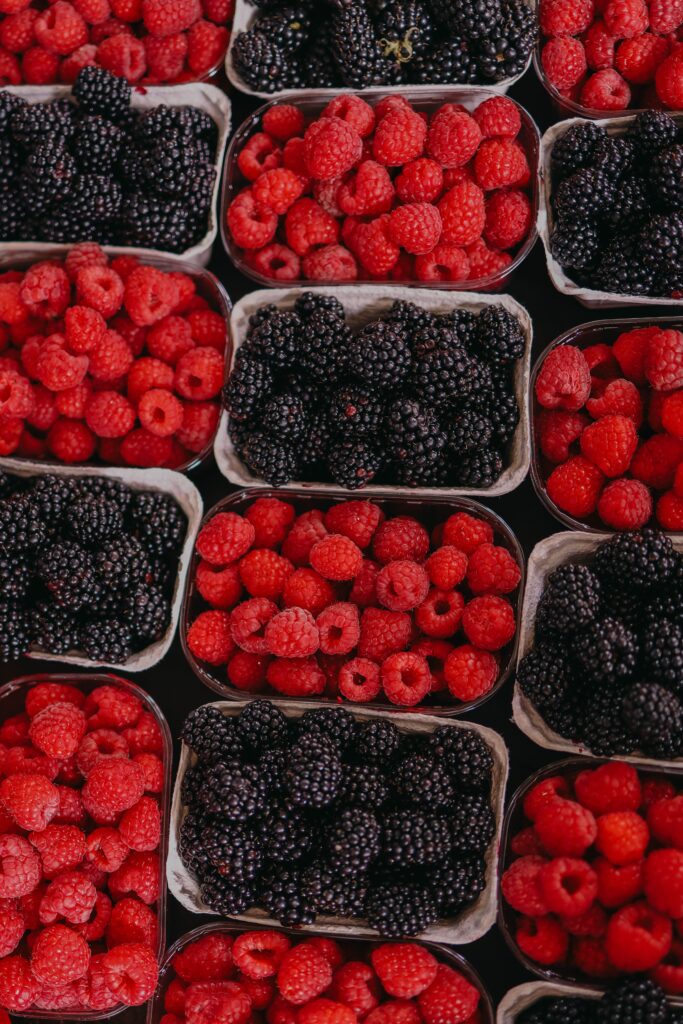
These delicate berries freeze well and are wonderful in muffins, pancakes, and desserts.
20. Peaches
Peaches can be sliced and frozen for smoothies, desserts, and baking.
21. Cherries
If you have access to fresh cherries during the short growing season, freezing is a great way to enjoy them later. You don’t have to pit them before you freeze them, but it’s recommended because it will make it easier when you grab them out of the freezer to enjoy.
22. Plums
Plums can be frozen sliced or cooked into sauces and fillings.
23. Spinach and Leafy Greens
If you grow more greens than you can eat, freeze them for smoothies, soups, casseroles, and cooked dishes. Because it wilts once you freeze it, you’ll want to use the frozen spinach in dishes, not a salad.
24. Vegetable Soup Starter Bags
One of my favorite ways to preserve garden vegetables is to create soup starter bags.
Chop and freeze a combination of vegetables like carrots, celery, onions, peppers, and zucchini. When winter arrives, you already have the beginning of a homemade soup. Just add some meat, noodles, or rice!
25. Homemade Broth and Stock
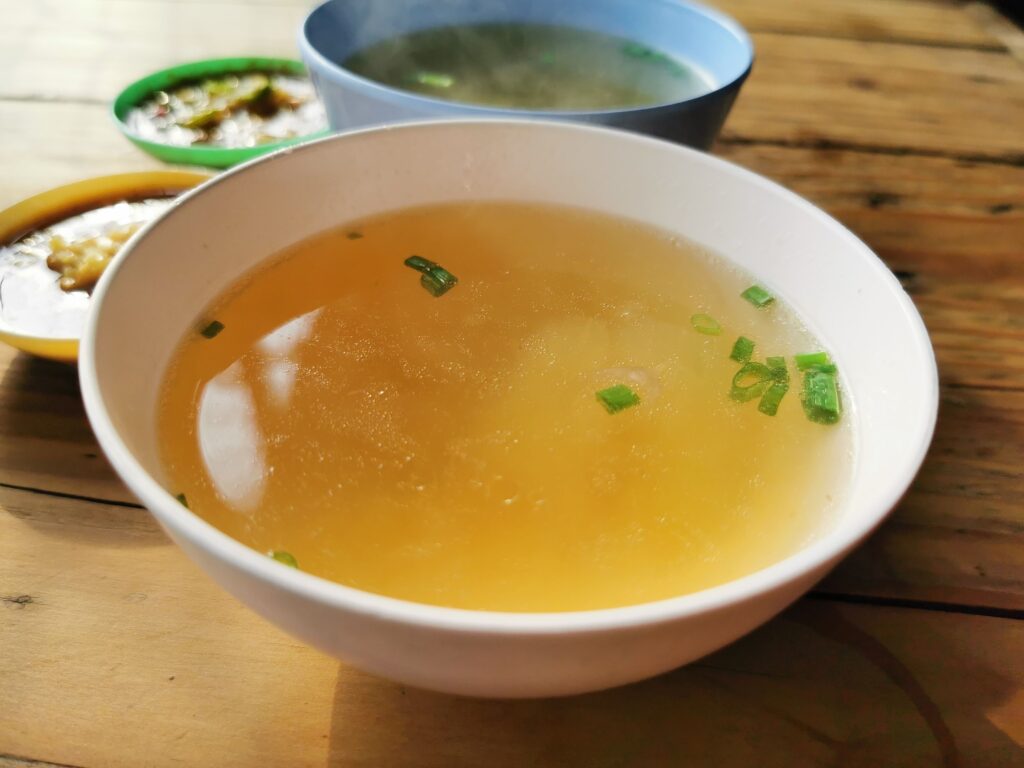
When you save vegetable scraps or cook meat with bones, making broth is a great way to stretch your groceries. Freeze it in containers or smaller portions to use in soups, sauces, and recipes.
Freezing Food Can Be Just as Valuable as Canning
There is something beautiful about a pantry full of home-canned food. Many people love the tradition and satisfaction that comes with preserving this way.
But preserving food does not have to look the same for everyone.
A freezer full of garden vegetables, homemade sauces, and prepared ingredients can save money and reduce waste just as much.
The goal is to use what you have and make your food last longer.
Whether you grow your own garden, shop seasonal sales, or simply want to waste less food, freezing can be an easy way to preserve the harvest without spending every summer day in the kitchen.