How to Preserve Food Without Canning Everything
There is something satisfying about preserving food for your family.
Maybe it is knowing that the tomatoes you picked in August will become sauce in the middle of winter. or opening the freezer and remembering the garden harvest from months before. Maybe it is the feeling of using what you have instead of watching good food go to waste. (I HATE watching good food go to waste!)
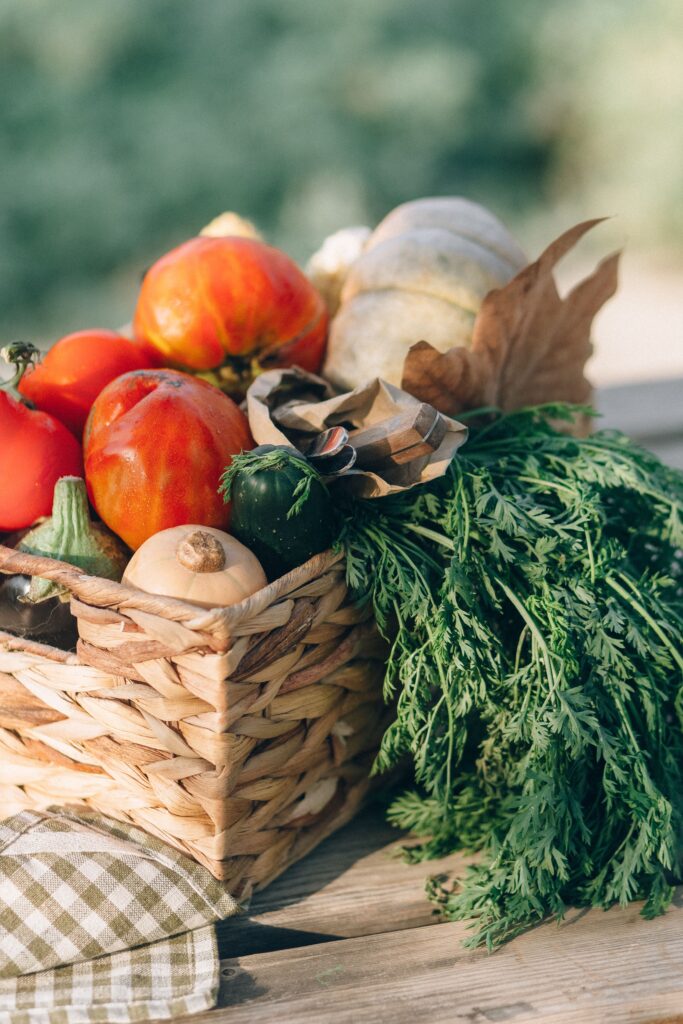
For years, I loved the idea of canning. I mean, I’m a homeschooling, stay-at-home, homesteading mom. It’s what we do, am I right? It’s practically our identity.
I had a water bath canner. I pictured shelves full of beautiful jars filled with garden produce, homemade jams, pickles, and sauces. It felt like the kind of old-fashioned skill I wanted to learn and pass on.
The reality was a little different.
Canning always seemed to happen during the hottest days of the year. When the garden was producing the most, the temperatures outside were often at their highest. The last thing I wanted to do was stand over a steaming pot of boiling water for hours while my kitchen became even hotter.
Eventually, I also sold my pressure canner.
I loved the idea of pressure canning. I liked the thought of preserving things like meat, soups, and low-acid foods for the pantry. But the truth was, I rarely pulled it out. It sat on the shelf taking up space while I used other methods that worked better for our family.
Over time, I realized preserving food does not have to mean spending entire summer days surrounded by jars and boiling water.
There are many other ways to save the harvest, reduce food waste, and stretch your grocery budget without canning everything.
Freezing Food
Freezing is probably one of the easiest ways to preserve food.
It does not require special equipment beyond freezer space and a few storage containers or bags. It is also a great option for busy seasons when you want to save food but do not have the time or energy for a big preserving project. Contrary to popular belief, you don’t need a vacuum sealer (though it can help.) I just use a straw and literally suck the air out of the bag with it. (Don’t laugh, it works.)
Some of my favorite foods to freeze are:
- Berries for smoothies, muffins, and baking
- Garden vegetables
- Shredded zucchini for bread and muffins
- Peppers for soups and casseroles
- Cooked beans
- Homemade broth
- Leftover meals
Freezing shredded zucchini is a popular one. When the garden starts producing more zucchini than we can eat, I grate it, measure it into freezer bags, and have it ready for baking throughout the year.
Dehydrating Food
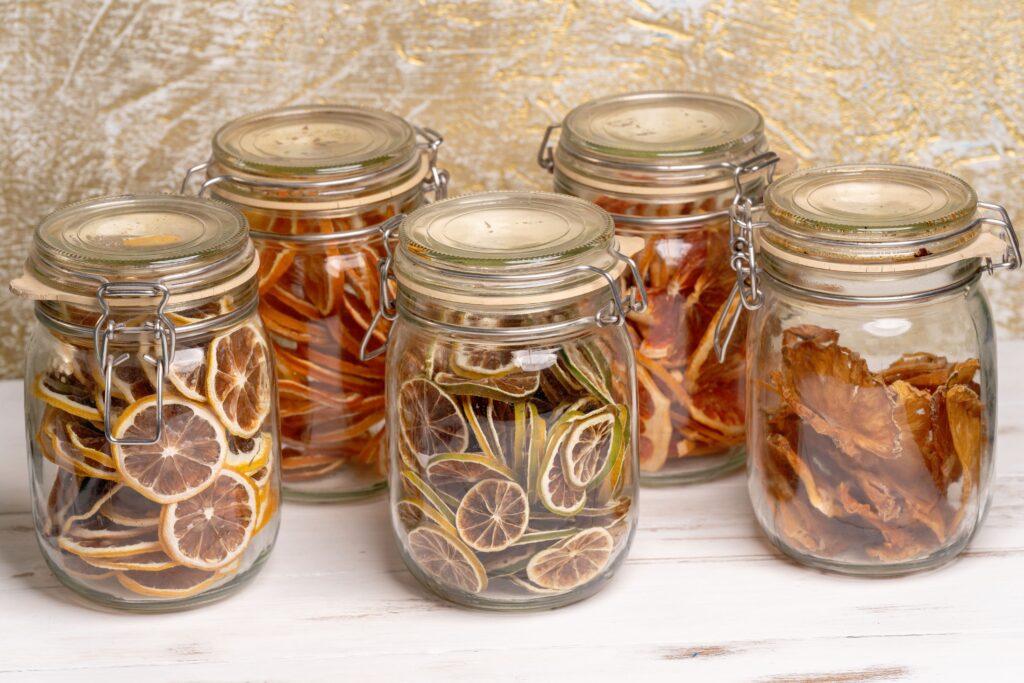
A dehydrator can be a great tool for preserving food without filling your kitchen with heat.
Instead of cooking and processing food for hours, a dehydrator slowly removes moisture and helps food last much longer.
Some foods that work well for dehydrating are:
- Herbs
- Fruit slices
- Tomatoes
- Mushrooms
- Onions
- Garlic
Dried herbs are especially worthwhile. If you grow your own herbs, drying them allows you to enjoy that garden flavor long after the growing season ends.
Making Freezer Meals
Sometimes preserving food is not about saving the ingredient. It is about saving yourself time later. And sanity. So much sanity. When I make a large batch of soup, chili, spaghetti sauce, or casseroles, I often freeze the extra portions.
This helps reduce food waste because leftovers do not get forgotten in the refrigerator. It also makes those busy evenings easier because dinner is already prepared. A freezer full of homemade meals can be just as valuable as a pantry full of jars.
Fermenting Foods
Fermentation is another traditional way people preserved food before modern refrigeration. Foods like sauerkraut, pickles, and fermented vegetables can be preserved through the natural process of fermentation. It does require learning a few basics, but once you understand the process, it can be a rewarding way to preserve seasonal produce.
I periodically make fermented food like sauerkraut or even kimchi. Fermented food is really good for your gut, so you can feel good about making it.
Making Sauces, Purees, and Ingredients Ahead
You do not always have to preserve food in its final form. Sometimes the easiest method is preparing ingredients that make future meals faster.
For example:
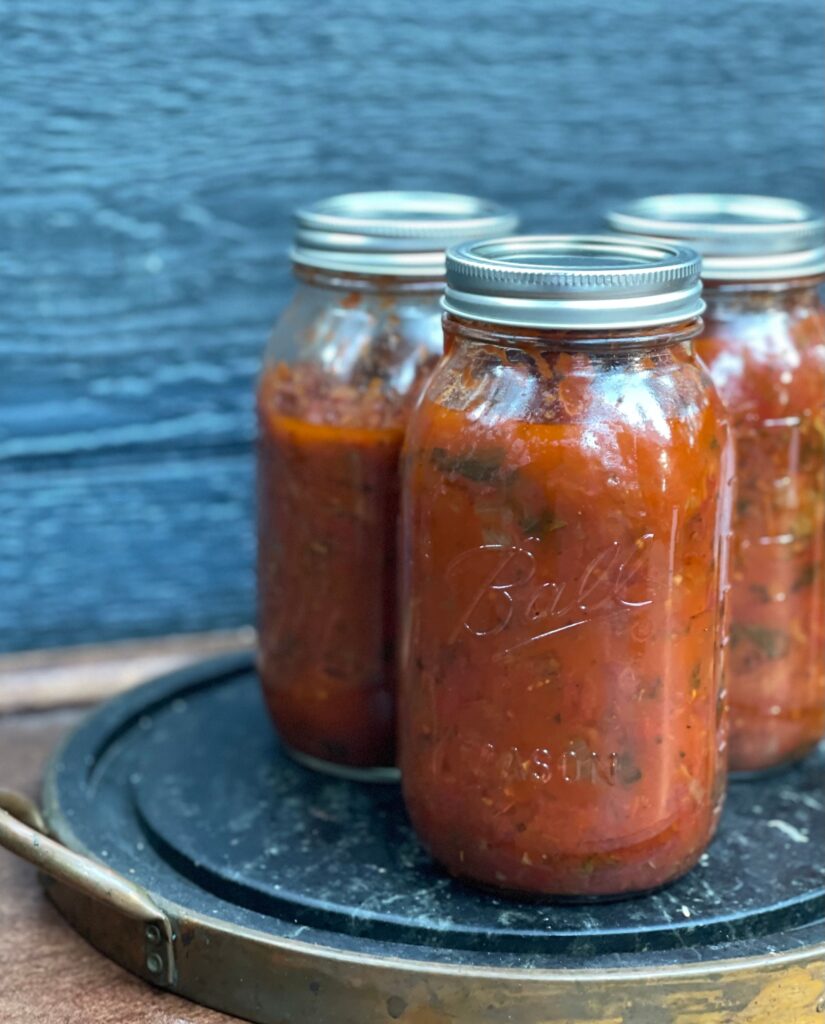
- Roast and freeze tomatoes for future sauces
- Make pesto and freeze it in small portions
- Blend and freeze fruit for smoothies
- Prepare vegetable mixes for soups
- Freeze cooked pumpkin or squash
This approach saves time later and helps make sure garden produce gets used. It’s also helpful when you have tomatoes from your garden ready and ripe at different times. Sometimes you don’t have enough to make sauce all at once. Toss the ripe ones in the freezer and when you have enough, you can pull them all out of your freezer to make some sauce.
Storing Foods Properly
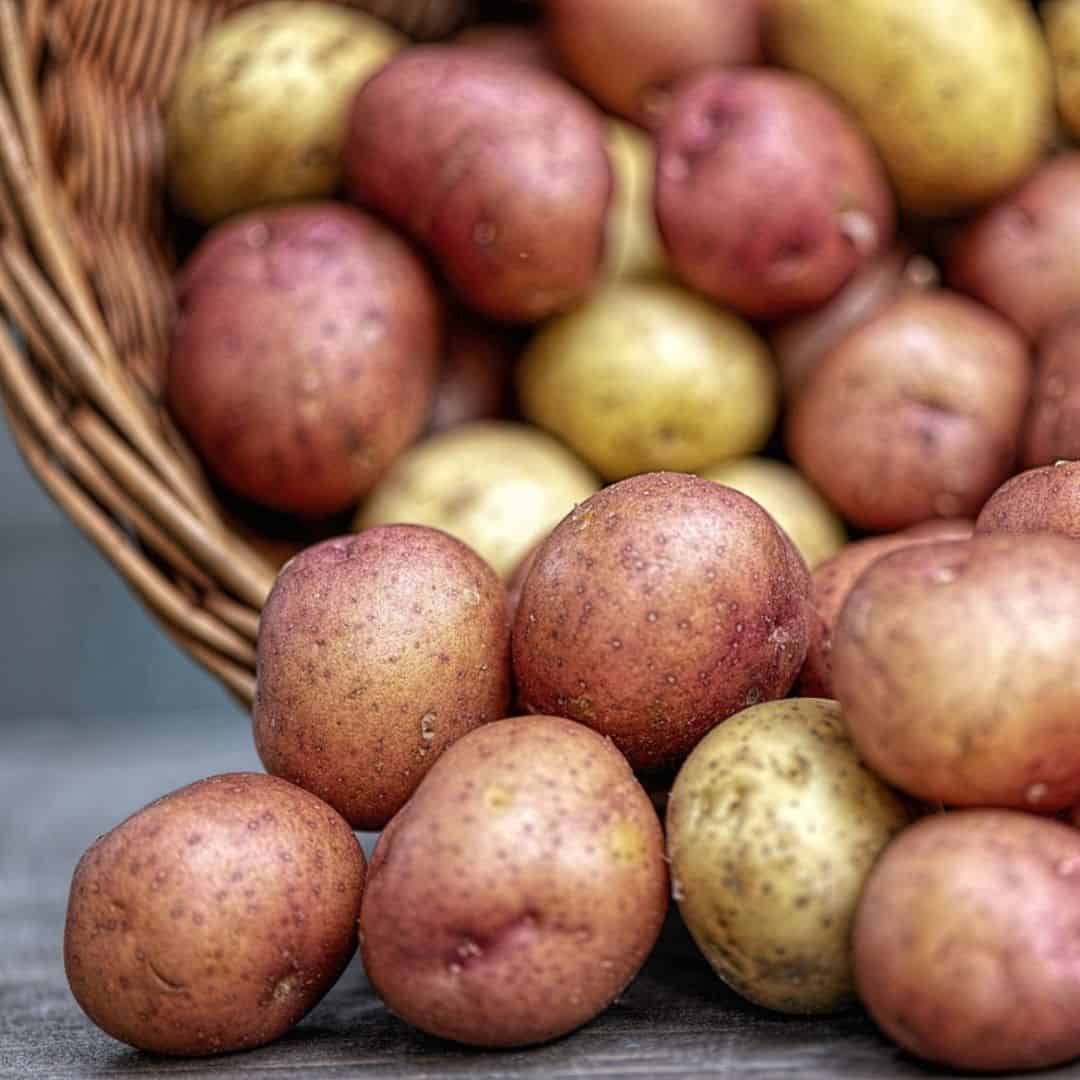
Not every food needs to be frozen, dried, or canned. Some foods naturally store well when kept in the right conditions. Potatoes, onions, garlic, winter squash, and certain root vegetables can last for months with proper storage. Learning how to store food correctly can prevent waste and help stretch what you grow or buy.
Preserving Food Should Work for Your Family
I still appreciate people who love canning. There is something beautiful about rows of homemade jars lined up on a shelf. But preserving food does not have to look one specific way. Sometimes life is just too busy to stand hours over a hot canning pot.
For me, the best method is the one I will actually use.
A freezer bag of shredded zucchini that gets turned into muffins in January is better than a canner sitting unused because I felt like I should be preserving a certain way. A batch of frozen soup that saves money on a busy night is valuable. A handful of dried herbs that adds flavor to winter meals is valuable.
Preserving food is really about making the most of what we have. Whether that means filling shelves with jars, stocking the freezer, drying herbs, or storing garden vegetables for later, there are plenty of ways to save food without spending every summer day in a hot kitchen.