I Looked at Everything We Spent Money On. Here’s What I Cut First.
For years, I thought we were pretty good with money. We weren’t out buying expensive cars, constantly shopping, or living some extravagant lifestyle. We were a family trying to be responsible, make wise choices, and stretch our income as far as we could.
But when I finally sat down and looked closely at where our money was actually going, I realized something important.
It wasn’t always the big purchases that were hurting our budget. It was the small, convenient things we had convinced ourselves didn’t matter.
The “it’s only a few dollars” purchases. The things that seemed reasonable in the moment but added up over time. When you have a growing family, those little expenses can quietly become a big drain on your finances.
So when we decided to tighten up our budget, these were some of the first things I looked at.
Budget Takeout Pizza
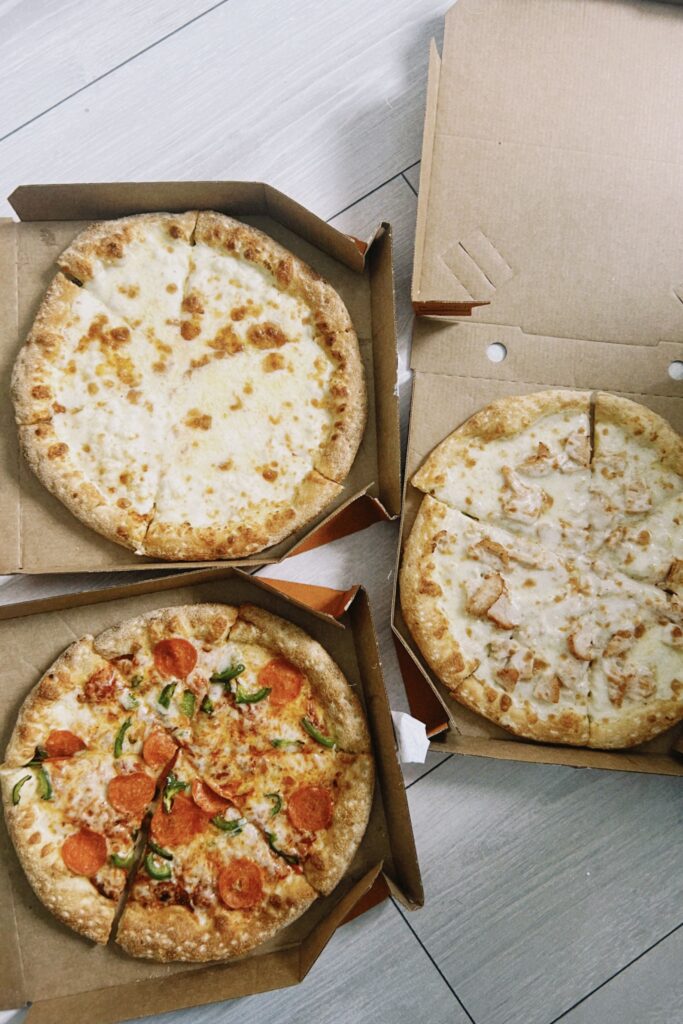
This one probably sounds funny because we weren’t ordering expensive restaurant pizza. We were buying the budget option.
Whenever we were busy, running from one activity to another, or just needed an easy meal, we would grab those inexpensive $8.99 pizzas from the grocery store. And honestly, at first, it felt like a frugal choice.
We weren’t spending $50 on takeout. We were choosing the cheap option. It seemed like a smart compromise for a busy family.
Except our family grew.
One pizza became two. Two became three. Suddenly that “budget” dinner wasn’t quite as budget-friendly anymore.
An $8.99 pizza sounds inexpensive, but when you need several of them to feed everyone, plus maybe drinks or other extras, it can quickly turn into a $30 or $40 meal. When something becomes a regular habit, those costs add up.
So we cut it.
Instead, we started relying more on meals I could prepare ahead of time, freezer meals, homemade pizza nights, and simple meals that stretched further. It wasn’t always as convenient, but it saved us money, and that made it worth the extra effort.
Now, full disclaimer: It’s not like we NEVER get takeout pizza anymore. But we definitely only do it as a treat, and not a weekly event.
Name Brand Groceries
This one was a little harder for me because I’ll admit something: we are food snobs.
We like good food. We like quality ingredients. We enjoy sitting down to meals that taste good, and I don’t believe frugal living means eating bland food or sacrificing everything you enjoy. But when I looked more closely at our grocery spending, I realized some of the brands we were buying were putting a bigger dent in our budget than I wanted to admit.
Sometimes the name brand really is better. There are certain products where I can tell the difference, and I’m willing to pay more for them. But there were also plenty of things where I was paying extra simply because I recognized the label.
So I started experimenting. I tried store brands. I compared prices. I bought more ingredients instead of convenience foods. I paid closer attention to what was actually worth the extra money and what wasn’t.
And you know what I discovered? There were some things where my family could absolutely tell the difference. But there were also many things where nobody noticed at all.
Those became easy swaps. Frugal living doesn’t mean you have to give up everything you love. It means being intentional about where you spend your money and making sure the things you’re paying extra for are actually worth it.
Extra Snacks
This one might be a little uncomfortable to admit, but it was one of the biggest realizations I had when I started looking honestly at our spending.
I didn’t need to find cheaper snacks. I needed to buy fewer snacks.
It’s so easy to justify food purchases because, of course, food is a necessity. But there is a difference between buying what we need and constantly buying extras because they are convenient, available, or simply because we’re used to having them.
As a society, many of us eat more than we actually need. I know I was guilty of this. I wasn’t depriving myself. I wasn’t going hungry. I was still eating plenty of food and getting more than enough calories.
But somewhere along the way, snacks became less of an occasional treat and more of a regular part of our grocery spending.
So instead of searching for cheaper versions of the same habits, I started asking a different question: Do we actually need this?
Sometimes the answer was yes. Sometimes a snack was worth buying because it was something we genuinely enjoyed or something that made life easier. But sometimes I realized we were just buying things out of habit.
Cutting back didn’t mean never enjoying snacks again. It simply meant being more intentional. We stopped filling the cart with things we didn’t really need and started saving that money for the foods and experiences that mattered more.
Buying Fruit Out of Season
This one was a little harder to admit because I genuinely love fresh fruit.
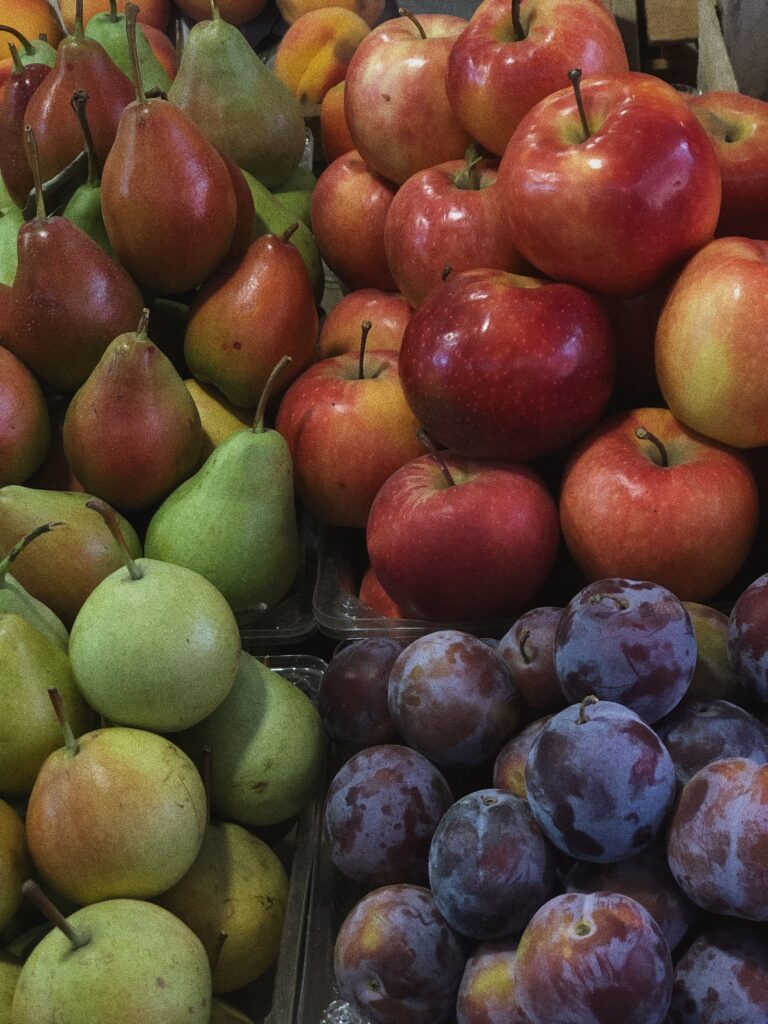
When our family was younger, I was much better about buying what was in season. I knew that strawberries were cheaper in the summer, apples were cheaper in the fall, and that if I wanted the best prices, I needed to work with what nature was producing at that time of year.
But somewhere along the way, that habit changed. If I wanted berries in the middle of winter, I bought berries in the middle of winter. If I wanted fresh peaches when they weren’t in season, I bought peaches when they weren’t in season.
And while there is nothing wrong with enjoying fresh produce, I had to be honest with myself: convenience and cravings were costing us.
Fruit that is out of season can be significantly more expensive because it has often traveled farther and is simply less available. Those little purchases might not feel like a big deal at the grocery store, but when they become a regular habit, they can add up quickly.
So I started paying attention again.
I started buying more seasonal produce. I started enjoying certain fruits during the months when they were naturally abundant and affordable. I froze some things when they were on sale so we could enjoy them later.
Did I completely stop buying fruit that wasn’t in season? No. Frugal living isn’t about creating impossible rules that make life miserable. But it is about being more careful.
There is something satisfying about eating strawberries when they are fresh and inexpensive in the summer, apples when they are harvested in the fall, and embracing the foods that naturally fit each season.
Sometimes saving money isn’t about finding a cheaper alternative but instead it’s about being willing to wait till it’s affordable.
Extra Subscription Services
Subscriptions are one of those expenses that are incredibly easy to ignore because they usually seem so small.
It’s only $10 a month. It’s only $15 a month. We use it sometimes.
But when you have several subscriptions running at once, those small amounts can add up quickly.
We looked at our streaming services, apps, memberships, and other recurring expenses and asked ourselves a simple question: Are we actually using this enough to justify the cost?
Some things were easy to cancel.
Others we decided we wanted to keep, but we started looking for better deals. We watched for promotions, compared options, and found ways to lower the cost instead of just automatically paying the full price every month.
Sometimes we forget that being frugal isn’t just about cutting things out completely. Sometimes it’s about finding a smarter way to pay for the things you actually value.
The biggest lesson I learned through all of this is that frugal living isn’t about removing all the joy from your life.
It isn’t about never eating good food, never enjoying entertainment, or refusing to spend money on anything fun.
It’s about being honest with yourself about where your money is going.
Sometimes saving money isn’t about finding some complicated budgeting trick. Sometimes it’s simply about noticing the little leaks in your budget and deciding which ones are worth plugging.
For our family, these were some of the first changes we made. They weren’t huge sacrifices, but they helped us become more careful with our money and put our spending toward the things that mattered most.