Overwhelmed By Your Garden Harvest? Here’s How To Preserve It Before It Goes To Waste
There is nothing quite like walking out to your garden in the middle of summer and seeing everything growing beautifully. After months of planting, watering, weeding, and waiting, a full garden feels like such a blessing.
Until suddenly, you have more produce than you know what to do with.
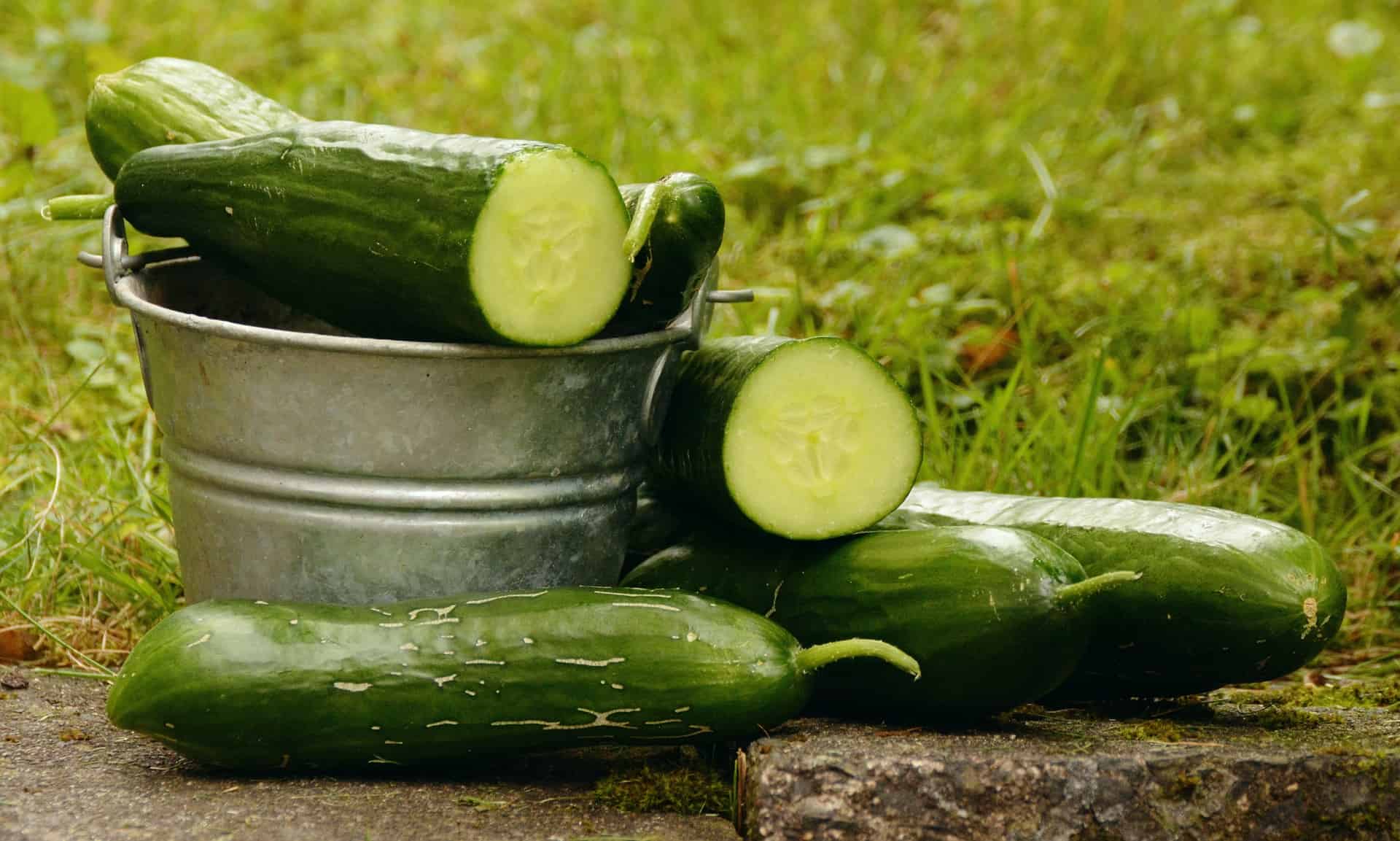
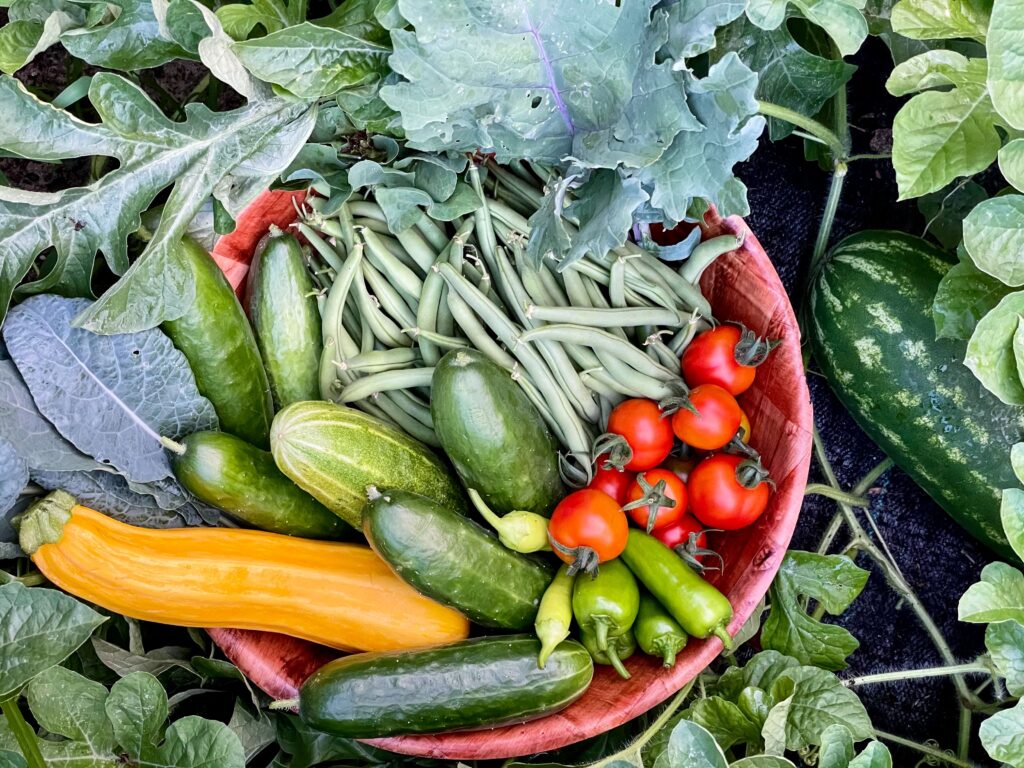
The zucchini seem to appear overnight. The tomatoes are ripening faster than your family can eat them. The cucumbers are filling your fridge, and the garden that you were so excited about a few months ago is now starting to feel a little overwhelming.
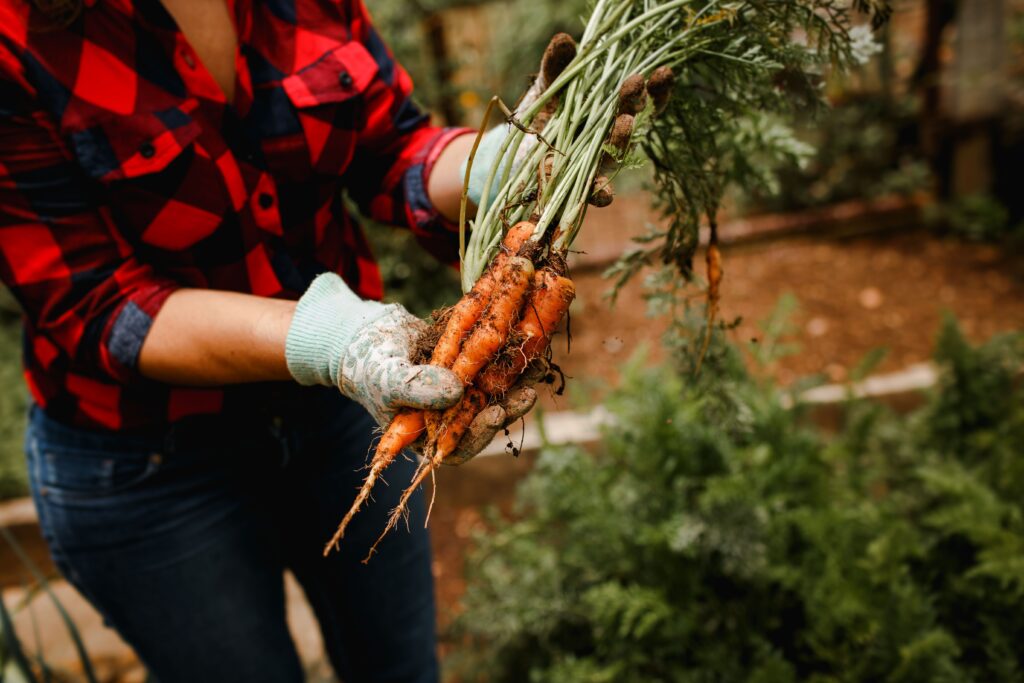
A productive garden is wonderful, but there comes a point every summer when many gardeners look around and wonder, “What am I going to do with all of this?”
But guess what? You do not have to use everything right away. With a few easy preservation methods, you can save your garden harvest and enjoy homegrown food long after summer is over.
Start By Taking Inventory Of What You Have
Before you start preserving everything, take some time to look at what your garden has produced.
It can be tempting to jump into every preserving method at once, but that can quickly become exhausting. Instead, start by thinking about what your family will actually use.
Some produce is best eaten fresh. Some can be frozen for later. Some can be turned into meals or stored in jars for the colder months.
The goal is not to preserve every single thing that comes out of your garden. The goal is to save the food your family will enjoy and make the most of what you have grown.
Freezing Is One Of The Simplest Ways To Preserve Food
If you are new to preserving, freezing is one of the easiest places to start.
Many fruits and vegetables can be prepared and stored in the freezer with very little effort. This makes it a great option for busy families who want to save their harvest without spending an entire day in the kitchen.
Zucchini can be shredded and frozen to use later in muffins, bread, and casseroles. Peppers can be chopped and stored for soups, stir fries, and sauces. Berries can be frozen for smoothies, baking, and desserts throughout the year.
Tomatoes can also be frozen until you have enough to make sauce, salsa, or soup. Sometimes the easiest method is the one that gets done.
Canning Allows You To Enjoy Your Garden During The Winter
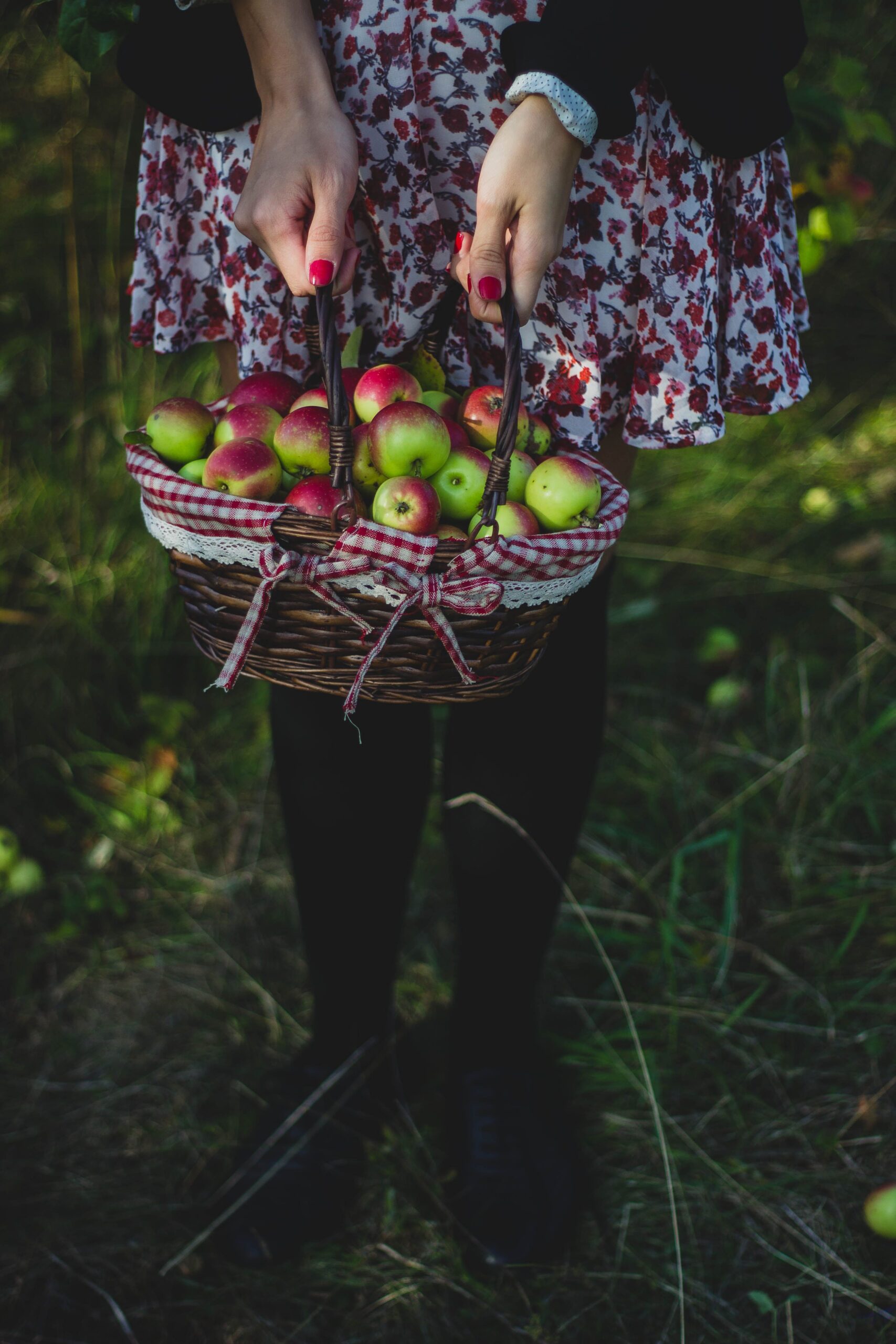
Canning is a traditional way to preserve the harvest, and for good reason. There is something special about opening a jar of homemade tomato sauce or applesauce in the middle of winter and remembering the garden it came from.
If you are new to canning, start with simple recipes that your family already enjoys. Jams, pickles, salsa, tomato sauce, and applesauce are all great places to begin.
You do not need to turn your kitchen into a full preserving station overnight. Learning one new skill at a time can help you build confidence and make preserving feel manageable.
The best foods to can are the ones your family will actually eat. A shelf full of jars is wonderful, but only if those jars become meals and memories around your table.
Dehydrating Helps Preserve Food Without Taking Up Much Space
Dehydrating is another useful way to save your garden harvest, especially if freezer space is limited. Removing the moisture from food allows it to last much longer while taking up very little storage space.
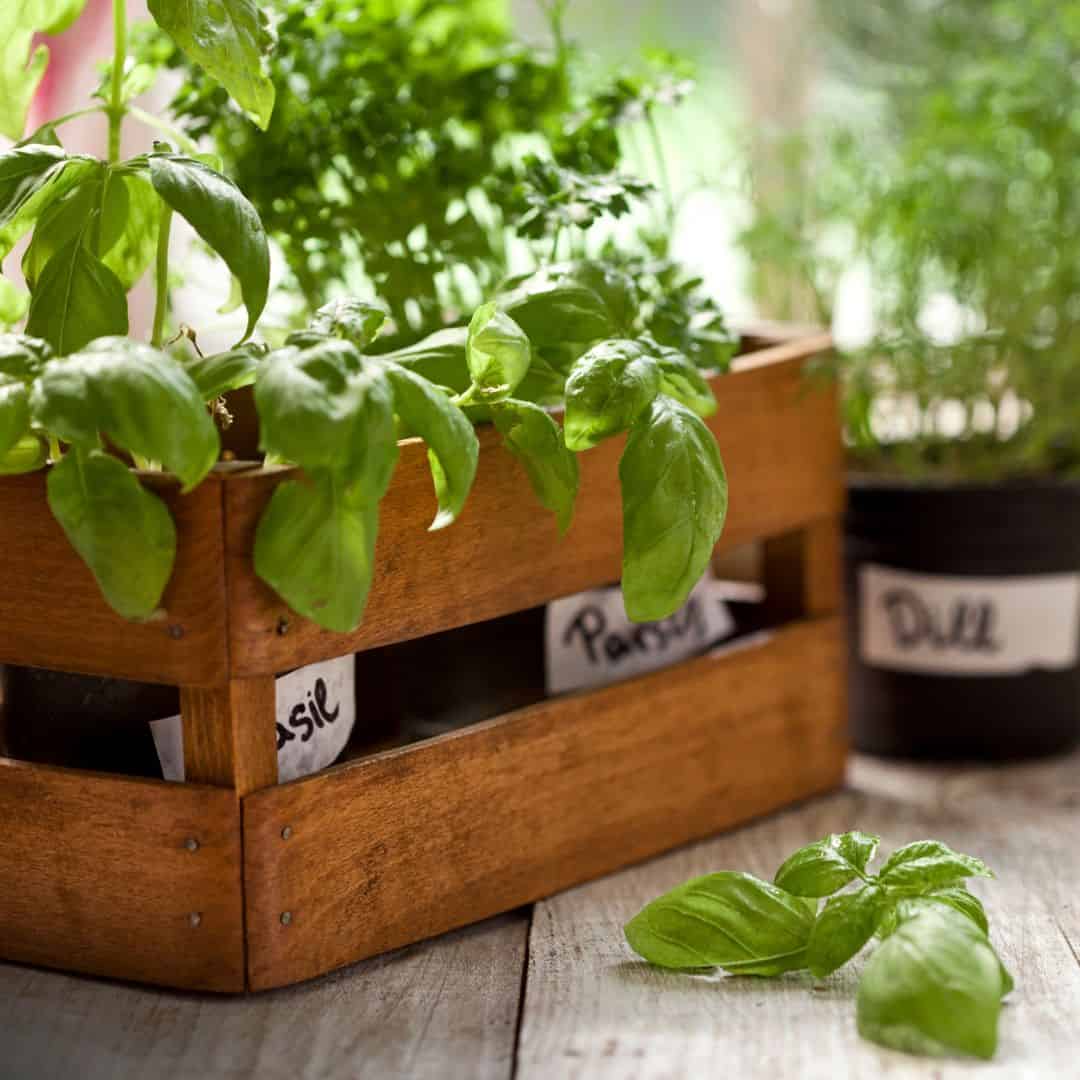
Herbs are one of the easiest things to dehydrate. Instead of letting fresh basil, oregano, or parsley go unused, you can dry them and use them throughout the year.
You can also dehydrate foods like tomatoes, apples, peppers, and other fruits and vegetables. These dried foods can add wonderful flavor to soups, sauces, and meals during the colder months.
Turn Your Harvest Into Meals Before Storing It
Sometimes the best way to preserve your garden harvest is to prepare it before putting it away. Instead of storing bags and bags of individual vegetables, consider turning some of your produce into meals your family can enjoy later.
Extra tomatoes can become pasta sauce. Garden vegetables can become soup. Zucchini can become muffins or bread for the freezer. Fresh produce can become ready-to-go meals for busy evenings.
A freezer stocked with homemade food can be a huge blessing when life gets busy.
Learn How To Store Food Fresh
Not everything needs to be frozen, canned, or dehydrated. Many fruits and vegetables can last for weeks or even months when stored properly.
Potatoes, onions, garlic, winter squash, and apples are all examples of foods that can often be stored fresh and enjoyed long after the garden season ends.
Learning how to properly store the foods you grow can help reduce waste and make your harvest last longer without creating extra work.
Share The Abundance
Sometimes the garden produces more than your family can possibly use. When that happens, sharing your harvest can be a wonderful way to bless others.
A basket of fresh vegetables can brighten someone’s day, especially for someone who does not have access to a garden of their own.
Gardening is about more than just growing food. It is also about generosity, community, and caring for the people around us.
You Do Not Have To Preserve Everything
It is easy to feel pressure during harvest season. You see other people filling shelves with jars, freezing huge amounts of produce, and creating beautiful pantries full of homegrown food.
But your garden does not have to look like anyone else’s.
Some years you may preserve dozens of jars. Other years you may only freeze a few bags of vegetables or make a couple batches of freezer meals.
Both are worthwhile.
If your garden has gotten ahead of you this year, start with one thing. Freeze the zucchini. Make a batch of tomato sauce. Dry the herbs growing outside your kitchen door.
Small steps can turn an overwhelming harvest into food your family can enjoy for months to come.